SaaS onboarding UX: 7 patterns that get users to value
New users don’t want a tour of your product. They want the result they signed up for. Good onboarding removes every step between the two.
The patterns
| Pattern | What it does | Use it when |
|---|---|---|
| One question first | Asks the user’s goal, then tailors the start | Different users want different things |
| Templates | A finished example to edit | A blank page is hard to start |
| Sample data | Shows the product working before setup | Value depends on the user’s own data |
| Setup checklist | 3–5 steps with progress | Setup takes several sessions |
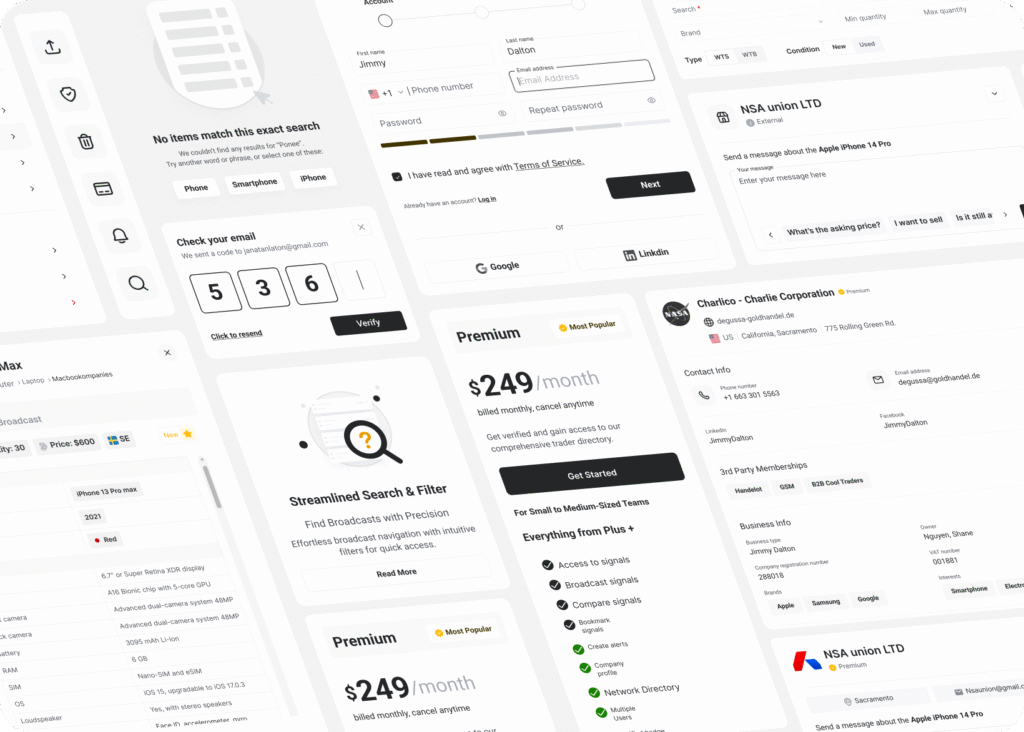
| Empty states | Explain and offer the first action in place | Always |
| Social sign-in | Google or Microsoft in one tap | Sign-up is the first drop-off |
| Nudges | Email or in-app reminders tied to the next step | Users leave before the first result |
Check your onboarding
FAQ
What is good SaaS onboarding?
Onboarding that gets a new user to the result they signed up for in the first session, with as few steps and questions as possible.
Should SaaS onboarding use a product tour?
Only a short, skippable one. Templates, sample data and helpful empty states usually teach faster than a tour.
How do I measure onboarding?
Track the share of new users who reach the first key action, and where the others stop.